
As our world grapples with the effects of climate change, the realm of material testing standards faces a pivotal juncture. The intricate interplay between evolving environmental conditions and the precision of testing procedures demands a closer examination. From the resilience of materials under extreme weather scenarios to the long-term durability assessments in a shifting climate landscape universal tensile testing machine, the implications are profound. How can material testing standards adapt and evolve to meet these challenges head-on, ensuring the reliability and accuracy of results in a rapidly changing world? The answer lies in a comprehensive reevaluation of protocols, methodologies, and collaborative efforts to navigate this complex terrain.
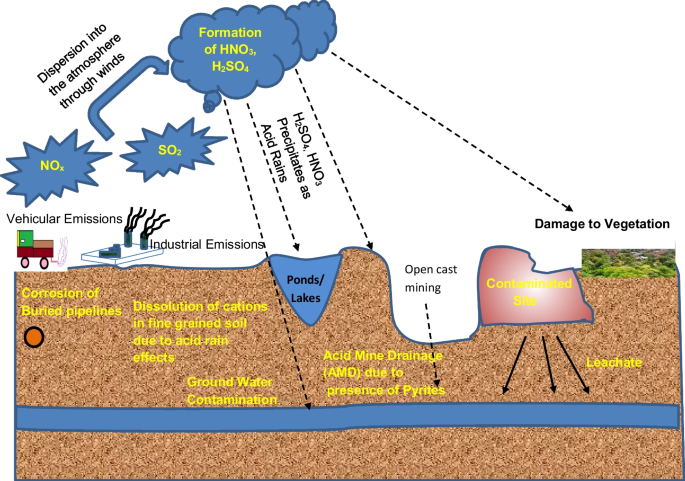
Climate Change and Testing Accuracy
Amidst the escalating impacts of climate change, the reliability and accuracy of material testing standards are facing heightened scrutiny and evaluation. As temperatures rise and extreme weather events become more frequent, the performance of materials in various conditions is being tested more rigorously. This necessitates a reevaluation of existing testing protocols to ensure that they accurately reflect real-world scenarios.
Research has shown that changes in temperature and humidity levels can significantly impact the properties of materials, leading to potential inaccuracies in testing outcomes. For instance, variations in ambient temperature can affect the behavior of metals, polymers, and composites universal testing machine manufacturer, influencing their mechanical strength, thermal conductivity, and durability.
To address these challenges, material testing standards need to incorporate climate change considerations into their frameworks. This may involve adapting testing procedures to simulate different environmental conditions or establishing new protocols that account for the effects of climate change on material performance. By enhancing the accuracy and reliability of material testing standards in the face of climate change, industries can ensure the safety and quality of products in a rapidly evolving environment.
Environmental Factors in Material Testing
An essential aspect of material testing involves analyzing and quantifying the impact of environmental factors on the performance and properties of materials. Environmental factors such as temperature, humidity, exposure to UV radiation, and pollutants can significantly influence the behavior of materials, affecting their mechanical, thermal, and chemical properties.
For example, high temperatures can accelerate chemical reactions within materials, leading to degradation or changes in structural integrity. Likewise, exposure to UV radiation can cause polymer materials to degrade and become brittle over time. Humidity levels can also impact the corrosion resistance of metals and the dimensional stability of certain materials.
Understanding how these environmental factors affect materials is crucial for ensuring the reliability and durability of products in various real-world conditions. By conducting thorough environmental testing as part of material testing protocols, researchers and engineers can develop materials that perform optimally in specific environmental conditions, leading to enhanced product quality and longevity.
Adaptation of Testing Protocols
The adaptation of testing protocols in response to climate change necessitates the development of climate-resilient test methods that can withstand evolving environmental conditions. Updated testing protocols must account for the changing climate variables to ensure the accuracy and reliability of material testing results.
Furthermore, enhanced data analysis techniques should be implemented to extract meaningful insights from the data gathered under new climate conditions.
Climate-Resilient Test Methods
In response to the escalating impacts of climate change, the adaptation of testing protocols to develop climate-resilient test methods has become imperative in ensuring the reliability and accuracy of material testing standards.
Climate-resilient test methods aim to account for the changing environmental conditions due to climate change, such as temperature fluctuations, increased humidity levels, and more frequent extreme weather events.
By adjusting testing protocols to be more resilient to these factors, material testing can provide more accurate and consistent results, ultimately enhancing the quality and reliability of products in the face of changing climatic conditions.
This adaptation is crucial for industries reliant on material testing standards to maintain performance and safety levels in a rapidly changing climate landscape.
Updated Environmental Conditions
With the progression of climate change, the need to adjust testing protocols to accommodate updated environmental conditions has emerged as a critical aspect of ensuring the reliability and accuracy of material testing standards. Changes in temperature, humidity, and other environmental factors can significantly impact the behavior and properties of materials being tested.
To address this challenge, researchers and standardization bodies are actively working on developing new testing protocols that can adapt to the changing environmental conditions. By incorporating these updated protocols, material testing can better reflect real-world scenarios, leading to more accurate results and improved reliability of materials under varying environmental conditions.
This adaptation is essential to maintain the integrity and relevance of material testing standards in the face of evolving climate patterns.
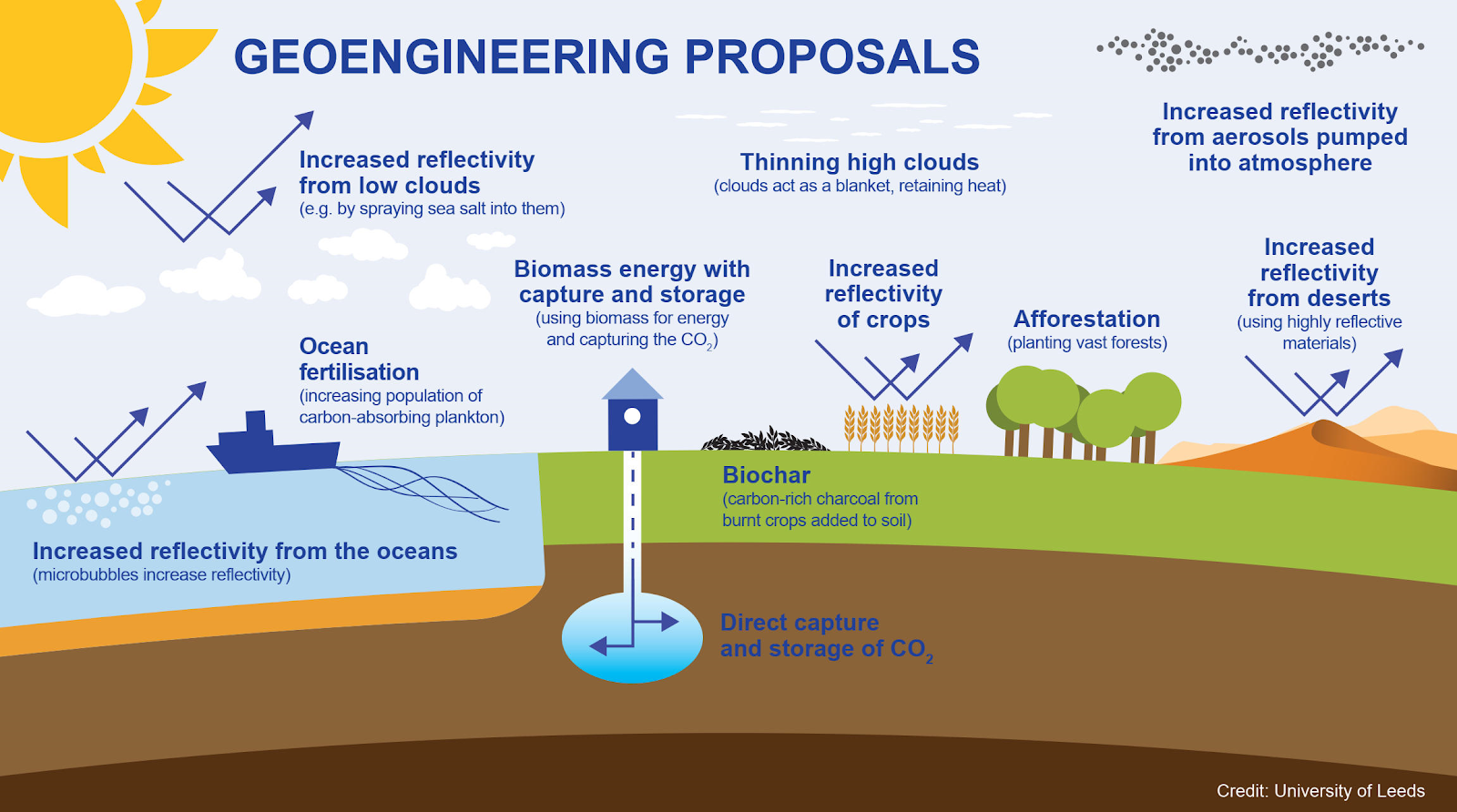
Enhanced Data Analysis
Adapting testing protocols to incorporate enhanced data analysis techniques is imperative to ensure the accuracy and reliability of material testing standards in response to evolving environmental conditions. By integrating advanced data analysis methods, such as machine learning algorithms and statistical modeling, material testing can better account for the complexities introduced by climate change.
These techniques allow for the identification of subtle trends, anomalies, and correlations within large datasets, enabling a more comprehensive understanding of material behavior under varying environmental scenarios. Additionally, enhanced data analysis facilitates the detection of potential weaknesses or vulnerabilities in current testing protocols, prompting timely adjustments to ensure the continued efficacy of material assessments.
Embracing these analytical tools is crucial for maintaining the integrity and relevance of material testing standards in the face of changing environmental dynamics.
Challenges in Temperature-Dependent Testing
The impact of temperature variations on material properties poses significant challenges to testing standards, particularly in maintaining the accuracy of heat testing procedures. Fluctuations in temperature can affect the reliability and consistency of test results, thereby raising concerns about the validity of the data obtained.
Addressing these challenges requires a thorough understanding of how temperature influences material behavior and a proactive approach to ensuring the integrity of testing protocols.
Temperature Variation Impact
Temperature fluctuations present a significant challenge in conducting accurate and reliable temperature-dependent material testing. Variations in temperature can impact the behavior of materials, leading to inconsistencies in test results.
Fluctuations can introduce errors in measurements, affecting the reliability and repeatability of tests. Moreover, changes in temperature can influence the physical properties of materials, such as thermal expansion or contraction, which are crucial factors in many testing standards.
These variations must be carefully controlled and monitored to ensure the accuracy of test outcomes. Implementing precise temperature control mechanisms and calibration procedures is essential to mitigate the effects of temperature variations on material testing.
Researchers must consider these challenges when designing experiments and interpreting results in temperature-dependent testing scenarios.
Accuracy in Heat Testing
In the realm of material testing standards, maintaining accuracy in heat testing poses intricate challenges that necessitate meticulous attention to temperature-dependent variables. Ensuring precise heat testing is crucial for assessing material behavior under varying thermal conditions. Challenges arise due to factors such as thermal gradients within the testing environment, heat dissipation rates, and the calibration of temperature-measuring instruments. These variables can introduce uncertainties that impact the reliability and reproducibility of test results.
Researchers and testing facilities must implement rigorous protocols to minimize errors associated with temperature-dependent testing. Advanced techniques, including thermal imaging and computational simulations, are being employed to enhance the accuracy of heat testing methodologies. Addressing these challenges is imperative to uphold the integrity and validity of material testing standards in the face of climate change impacts.
Impact on Long-Term Durability Assessments
Strikingly, the evolving climate patterns present a formidable challenge to the accurate assessment of long-term material durability in testing standards. Climate change impacts the long-term durability assessments by altering environmental conditions, such as temperature, humidity, and exposure to natural elements, which are crucial factors in determining the lifespan of materials. These changes can accelerate degradation processes, leading to premature material failure or deterioration. For instance, increased temperatures can expedite chemical reactions within materials, affecting their structural integrity over time. Moreover, extreme weather events resulting from climate change, like intense storms or prolonged droughts, can subject materials to harsher conditions than those for which they were initially designed, further compromising their long-term durability.
In light of these challenges, material testing standards must adapt to account for the changing climate conditions to ensure the reliability and accuracy of long-term durability assessments. Researchers and industry experts are exploring innovative testing methodologies and predictive models that integrate climate change data to better simulate real-world conditions and predict the long-term performance of materials in a changing climate. By enhancing the resilience of testing standards to climate change impacts, industries can develop more robust and durable materials that meet the demands of the future.
Ensuring Consistency Amid Climate Variability
Given the dynamic nature of climate conditions and their impact on material durability assessments, maintaining consistency in testing protocols amidst climate variability poses a significant challenge for standards development and industry practices. Climate variability introduces fluctuations in environmental conditions that directly influence material performance. Variations in temperature, humidity, and exposure to elements can affect the structural integrity and longevity of materials. This necessitates the need for standardized testing procedures that account for these fluctuations to ensure reliable and comparable results across different testing environments.
To address this challenge, stakeholders in material testing standards must work towards establishing protocols that consider a range of climate scenarios to ensure the consistency and accuracy of test outcomes. This may involve incorporating climate data from various regions, utilizing climate simulation chambers, or developing adaptive testing methodologies. By implementing such measures, the industry can enhance the robustness and relevance of material testing standards in the face of climate variability, ultimately improving the quality and reliability of material performance assessments.
Future-Proofing Material Testing Standards
To safeguard the relevance and effectiveness of material testing standards in the face of evolving technological advancements and environmental challenges, a proactive approach towards future-proofing these standards is imperative. As technology advances and climate change impacts intensify, material testing standards must adapt to ensure they remain robust and applicable.
Future-proofing material testing standards involves incorporating flexibility to accommodate changing environmental conditions, updating testing methodologies to align with technological innovations, and enhancing resilience to withstand unforeseen challenges.
One key aspect of future-proofing material testing standards is to anticipate future needs by conducting thorough research and analysis. By staying abreast of emerging technologies and environmental trends, standards can be preemptively adjusted to meet upcoming requirements. Additionally, fostering collaboration between industry stakeholders, regulatory bodies, and research institutions can provide valuable insights to inform the evolution of material testing standards.
Embracing a forward-thinking mindset and adopting agile practices will be instrumental in ensuring that material testing standards remain effective and reliable in the face of an ever-changing landscape.
Collaboration for Climate-Resilient Testing
Effective collaboration among industry stakeholders, regulatory bodies, and research institutions is crucial for developing climate-resilient material testing standards that can withstand the challenges posed by changing environmental conditions.
Industry stakeholders bring practical insights into the specific needs and constraints of material testing processes, ensuring that standards are relevant and feasible.
Regulatory bodies play a key role in setting guidelines and ensuring compliance with legal requirements, which are essential for upholding the integrity and credibility of testing procedures.
Research institutions contribute valuable scientific expertise, conducting studies to understand how climate change impacts materials and testing methodologies.
By pooling resources and knowledge, these stakeholders can work together to anticipate future climate-related risks and develop proactive strategies to enhance the resilience of material testing standards.
Collaboration fosters innovation, facilitates the exchange of best practices, and promotes continuous improvement in testing protocols to adapt to evolving environmental conditions.
Ultimately, a unified approach to climate-resilient testing is essential for mitigating the potential impacts of climate change on material performance and ensuring the safety and reliability of products in a changing world.
Conclusion
In conclusion, the impact of climate change on material testing standards is significant and requires proactive measures to ensure testing accuracy and reliability. By incorporating climate-resilient test methods, considering environmental factors, and adapting testing protocols to changing conditions, material testing standards can better address the challenges posed by climate change.
Collaboration among stakeholders is essential in future-proofing testing standards and maintaining consistency amid climate variability. It is imperative to prioritize these efforts to uphold the quality and safety of products in a changing climate.


